
Preserve the Soul, Shape the Future: Vintage Furniture in Modern Luxury

Today we explore restoration versus reinvention as we elevate vintage furniture for contemporary luxe interiors, balancing memory and modernity with candid advice, artisan techniques, and lived stories from studios and homes. You will learn how to read provenance, decide what to preserve, and where bold imagination creates true luxury. Share your own pieces and dilemmas in the comments, subscribe for deeper guides, and join a community that treasures beauty with responsibility.

Reading the Past to Serve the Present

Before deciding how far to go, learn to decode the quiet signals in craftsmanship, materials, and wear patterns. Understanding provenance, joinery, and market context turns guesswork into informed intention. With a measured eye and empathetic touch, you discover what truly matters: authentic character, architectural compatibility, and the potential to sing within contemporary rooms without diluting the distinctive voice that survived decades of use, moves, sunlight, and changing tastes.

Provenance that Guides Decisions

Labels, maker stamps, workshop ledgers, and family anecdotes are not trivia; they are guiding lights. When you know who designed, built, owned, and loved a piece, you can calibrate interventions respectfully. A signed French atelier chair, for instance, might suggest conservation. A mass-produced dresser with a charming silhouette might invite bolder reinvention. Documentation supports value, steers ethical choices, and enriches future storytelling for collectors and guests.

Joinery and Materials Reveal Worth

Run your fingers along dovetails, mortise and tenon joints, or pegged construction, then note whether veneers are bookmatched or burl. Quarter-sawn oak, walnut, and rosewood respond differently to refinishing. Kiln-dried frames age more gracefully than softwoods. Hand-planed surfaces hide in subtle ripples visible in raking light. These clues tell you what a piece can endure, which repairs will last, and how far you can reimagine without compromising structural integrity.

Market Signals Without Losing Soul

Auction records, dealer chatter, and designer demand map desirability, but do not let numbers drown narrative. Emotional resonance and design harmony should weigh as much as spreadsheets. A rarer form may merit gentle restoration, while an overproduced style could thrive with strategic reinvention. Align choices with your project’s architecture, client lifestyle, and long-term goals so that the final result feels inevitable, considered, and quietly unforgettable.

Choosing Restoration: Respecting Patina and Performance

Restoration honors time’s handwriting while returning function and safety. The aim is clarity, not sterilization; comfort, not erasure. Skilled hands stabilize loose joints, revive finishes, and conserve original fabrics where possible. Understated interventions can reveal luster buried in grime, hush squeaks, and preserve those hand-worn edges people reach for instinctively. The result feels alive and dignified, ready to inhabit luminous contemporary rooms without pretending to be newly made.

Stabilize, Do Not Erase

Begin with structure: tighten tenons, reglue with reversible hide glue, and replace missing dowels like-for-like. Address failing webbing and springs before obsessing over surface glamour. Clean gently with pH-balanced solutions, test solvents discreetly, and keep original tool marks intact. When patina becomes story rather than stain, a once-tired piece regains quiet confidence, standing sturdily beside sleek new furnishings while whispering of skilled hands and long dinners.

Conservation-Grade Finishes

When finish fails, choose reversible, sympathetic treatments. French polishing with shellac can bring depth to veneers without plastic sheen. Hardwax oils offer tactile warmth on solids, avoiding suffocation of wood pores. Color-matching repairs reduce visual noise without flattening age. Resist the urge to sand history away; instead, lift haze, mend chips, and unify tones so the surface reads cohesive yet lived-in, achieving luxury through restraint, craft, and patience.

Invisible Repairs That Last

True luxury hides in details you barely notice. Grain-filling to bridge small losses, discreet butterfly keys to halt splits, and tone-matched wax repairs protect beauty without shouting. Replace missing hardware with period-correct or sympathetically aged brass rather than shiny imposters. Chair legs get felt glides, drawers receive beeswax, and hinges align perfectly. Guests may never identify each repair, yet they feel the ease and integrity effortlessly.

Choosing Reinvention: Transformations with Integrity

Reinvention is not rebellion for its own sake; it is design dialogue across eras. Keep the soul, shift the context. Thoughtful transformations refresh scale, silhouette, materials, and function to meet contemporary expectations of comfort, sustainability, and performance. When done with rigor, a reimagined piece commands presence beside marble slabs, tailored upholstery, and curated art, becoming the room’s anchor and conversation catalyst rather than a nostalgic prop or novelty.

Styling for Contemporary Luxe

A reawakened piece needs the right stage. Contemporary luxury favors generous negative space, intentional texture contrasts, and calm palettes punctuated by sculptural statements. Let vintage grain glow against velvety rugs, burnished metal, and soft lighting that emphasizes contour. Consider sightlines, circulation, and conversation zones. When composition respects scale and light, the piece feels purpose-built for the room, harmonizing with architecture and art while keeping its unforgettable, storied presence.

Palette and Contrast that Breathe

Pair warm walnut with chalky mineral paints, muted linens, and a restrained art wall so the wood’s complexity reads. Use tonal layering rather than aggressive color clashes to achieve serenity. Allow small moments of saturated hue in accessories or a single cushion. Balance matte and gloss with care. Luxury arises from temperature control, nuance, and a quiet rhythm where every surface helps the next surface be seen clearly.

Metal, Stone, and Light in Concert

Aged brass echoes vintage hardware while honed marble grounds the composition. Consider linen shades, dim-to-warm LEDs, and bounce light off pale plaster to avoid glare on polished planes. Position table lamps to graze wood, revealing figure without harshness. Layer uplight, downlight, and candlelight for evening intimacy. These orchestrated elements frame the piece like a gallery display, yet remain livable, welcoming, and forgiving to the rituals of daily life.

Textiles and Touch as Luxury Signals

Bouclé softens angular forms; mohair deepens color; saddle-stitched leather trays add tailored order. Choose textiles that invite hands, not just eyes. Balance sumptuous weaves with breathable, durable fibers suited to pets and gatherings. Add a throw that references a historical motif subtly. When every tactile decision supports ease and dignity, vintage pieces communicate quiet power, encouraging guests to sit longer, lean closer, and notice fine details with delight.

Sustainability, Ethics, and Longevity

High-end does not mean high-impact. Restoration and reinvention can reduce waste, honor cultural heritage, and model responsible luxury. Track materials, choose low-VOC finishes, and design for repairability. Credit craftspeople openly. When projects carry stewardship alongside beauty, clients feel proud sharing the story. Subscribe for checklists, share your sources, and help build a network where exquisite results and environmental intelligence move together, proving elegance is also an ethical alignment.

Circular Luxury Metrics that Matter

Calculate embodied carbon, diversion from landfill, and expected lifespan after intervention. Opt for components with known origins and transparent certifications. Design parts to be replaced rather than whole objects discarded. Keep records for future caretakers. When you quantify impact, conversations shift from vague virtue to measurable progress, enabling clients to invest confidently in quality that lasts, improves with age, and respects communities upstream and downstream of every decision.

Cultural Respect and Honest Sourcing

Some motifs carry histories that deserve more than aesthetic borrowing. Research forms, patterns, and indigenous techniques before modifying them. Source woods that are legally harvested and appropriate to the era you reference. If a piece embodies regional identity, keep its signatures visible. This careful approach builds trust with clients and makers, transforming projects into bridges between narratives, where admiration translates into preservation, fair labor, and knowledgeable, sensitive design choices.

Stories from the Studio: Before and After
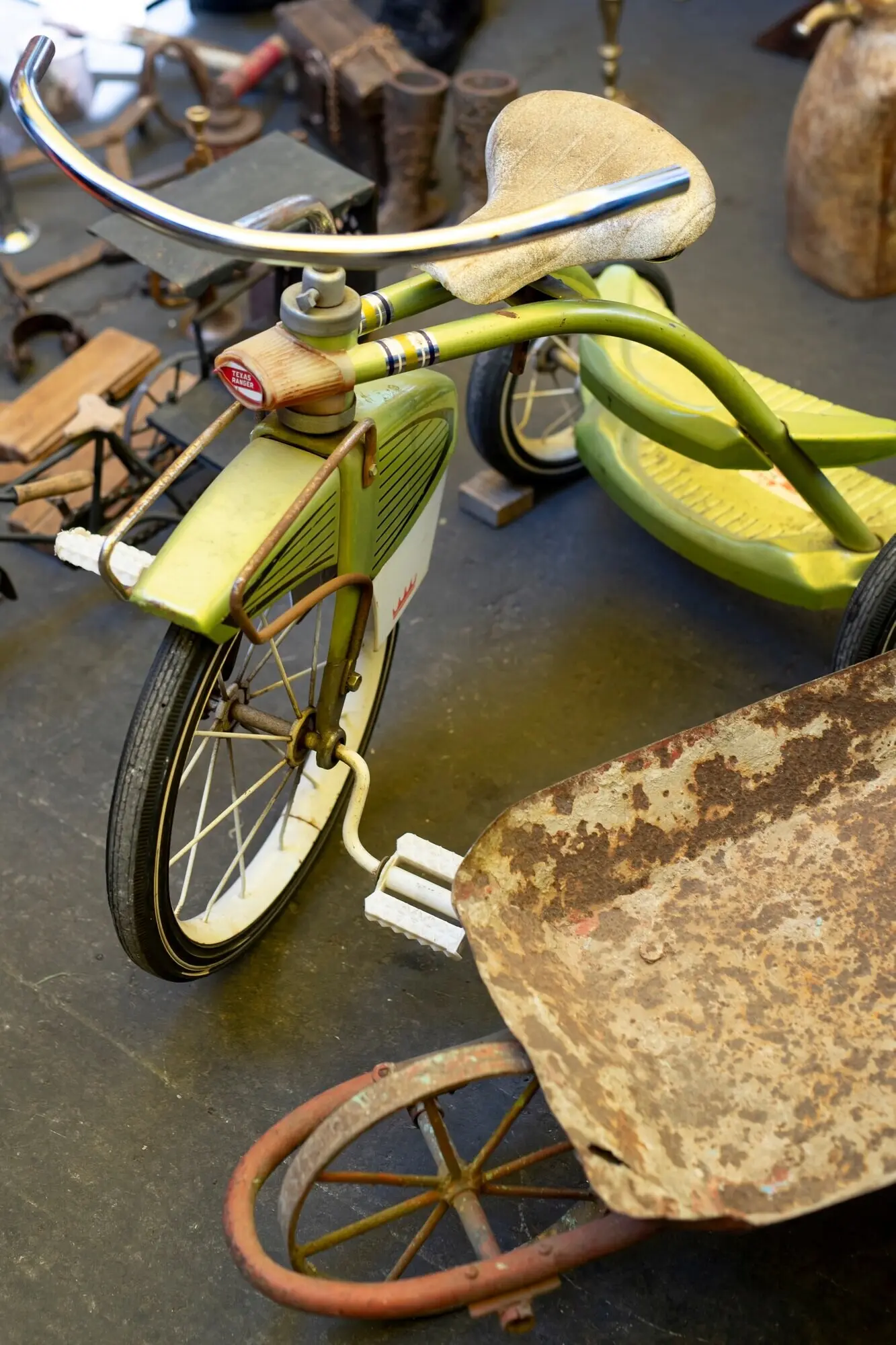

Narratives reveal nuance. Real projects show how decisions unfold, where restraint shines, and where boldness elevates. These snapshots travel from dusty arrivals to radiant placements in modern rooms. They invite your comments, your verdicts, and your comparable experiences. Share your photos, ask questions, and vote for what you would have done differently. Together we sharpen judgment, refine taste, and celebrate transformations that respect history while thrilling the present.
Lotonoxemenikupitu
Privacy Overview

This website uses cookies so that we can provide you with the best user experience possible. Cookie information is stored in your browser and performs functions such as recognising you when you return to our website and helping our team to understand which sections of the website you find most interesting and useful.