Second-Life Luxe: Upcycling for High-End Interiors

Step into a refined design journey where Second-Life Luxe: Upcycling for High-End Interiors turns rescued materials into statement pieces with provenance, soul, and impeccable finish. Discover how narrative-rich sourcing, couture-level craftsmanship, and thoughtful styling elevate reclaimed elements into elegant centerpieces, while reducing waste and celebrating history. Join the conversation, share your favorite finds, and subscribe for stories, techniques, and sourcing leads that help you build sophisticated spaces with conscience and enduring beauty.
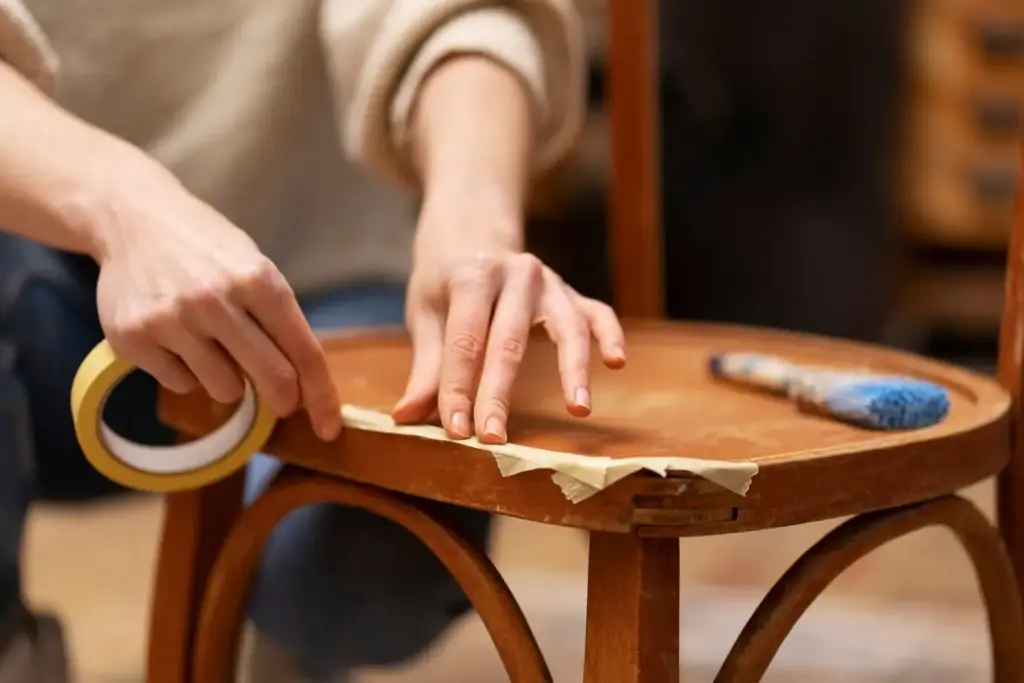
Foundations of Refined Reuse

Luxury upcycling begins with respect for origin, integrity, and intention. Rather than disguising a material’s past, we showcase it through proportion, balance, and masterful detailing. From antique timbers to couture fabric offcuts, each element is chosen for structural reliability, emotional resonance, and compatibility with contemporary comfort. Here, patina becomes a deliberate design tool, environmental savings gain measurable value, and sophisticated restraint ensures every revived component feels purposeful, elegant, and entirely at home in elevated spaces.
When you know where a piece lived before, you understand how to honor it now. A door from a decommissioned theater, a marble slab retired from a boutique hotel, or ship decking tells stories that shape proportion, placement, and finish. Documenting origin reassures clients, guides care instructions, and enriches conversation. Share your own discoveries below, and consider keeping a provenance card for every revived piece to deepen connection and preserve significance for future custodians.
High-end spaces demand high standards. Test for lead in paints, verify load capacities of reclaimed beams, and confirm fire ratings for textiles and wallcoverings. Stabilize veneers, replace compromised fasteners with hidden reinforcements, and seal responsibly to protect finishes without suffocating age. Thoughtful upgrades, like concealed steel plates inside vintage legs or low-VOC sealers on old wood, preserve character while meeting codes. Ask questions, request certifications, and share trusted labs or specialists to strengthen a responsible, collaborative community.

Sourcing with Story and Substance
Discerning sourcing transforms reuse into refinement. Look beyond flea-market novelty toward architectural salvage yards, hotel decommission auctions, yacht refits, and fashion-house remnants with traceable quality. Build relationships with dismantlers, artisans, and restoration experts who respect material histories. Vet suppliers for ethical practices, safe storage, and accurate documentation. Share your favorite vendors, regional tips, or upcoming demolitions in the comments so we can collectively rescue worthy materials before they vanish, ensuring their second chapter resonates with meaning and grace.

Craftsmanship that Elevates

Upcycling becomes truly luxurious through expert hands. Invisible structural upgrades, joinery that respects grain, and finishes mixed for the exact piece ensure results feel custom, not cobbled. Collaborate with specialists who enjoy problem solving: metalsmiths who tame warping, upholsterers who respect fragile textiles, and conservators who stabilize delicate surfaces. Document processes for clients to showcase labor and value. Share your favorite shops or makers, and the clever fixes they pioneered, celebrating the people who make revival extraordinary and enduring.

Joinery, Inlays, and Hidden Strength

Combining old components often demands inventive engineering. Employ floating tenons, bow-tie inlays, and concealed steel spines that reinforce without visual bulk. Match wood species and growth patterns so joints disappear, then hand-plane transitions to retain tactile warmth. Use reversible adhesives when possible to honor future conservation needs. Post your before-and-after stories describing the trickiest structural challenge you solved, and the tools or jigs that made precise alignment achievable without compromising authenticity or the whispered history within each surface.

Textile Alchemy for Plush Finishes

Transform remnants into coveted softness. Interline fragile silk with breathable backing, combine leather offcuts into elegant parquet stitching, and rework wool blankets into sculptural upholstery with minimal seams. Choose natural padding for comfort and longevity, and test wear in high-traffic zones before installation. Maintenance matters: removable covers, discreet zippers, and labeled care cards encourage lasting use. Share your swatch experiments, preferred interfacings, and stain-protection strategies, so readers can elevate comfort while honoring the material’s past life thoughtfully and beautifully.

Finishes that Honor Age, Not Damage

The goal is to refine without erasing. Use lime soaps, wax-oil blends, and conservation-grade shellacs to reveal depth while sealing responsibly. Patched dings can become intentional accents if they read as history, not neglect. Lightly tone mismatched panels rather than painting everything opaque. Invite dialogue about favorite finish recipes, abrasion testing, and sheen control. Share how you balance sheen across mixed materials so evening light unifies the room, allowing character to glow without stealing focus or appearing contrived.

Balancing Minimalism and Memory

Minimalism gives rescued objects room to breathe, while memory provides warmth. Start with a neutral envelope, then introduce one or two storied elements scaled to the architecture. Anchor with grounding rugs and measured symmetry so history feels intentional, not chaotic. Photograph from multiple angles to check visual weight and negative space. Share your toughest edits and which pieces you removed to reveal calm, demonstrating how confident restraint allows character to resonate with clarity and luxurious ease throughout the interior.

Statement Pieces, Quiet Rooms

A conversation-starting table from reclaimed joists or a chandelier recast from vintage crystal can define a room without shouting. Support with hushed textiles, soft wall finishes, and warm dimmable lighting. Consider sightlines between spaces so the statement reads once, gracefully, rather than competing from every angle. Tell us which statements you paired with subtle companions, and what rules you follow to keep attention gentle, human-scaled, and restful even when the material presence carries dramatic origin stories and visible strength.

Color, Texture, and Light Interplay

Reclaimed materials often skew warm; counterbalance with cool stone or shadowed nooks, then reintroduce warmth through layered lampshades and brushed metals. Test finishes under natural daylight and evening LEDs, photographing shifts to anticipate mood. Texture should progress from coarse to refined across touchpoints. Share your favorite color harmonies for timeworn oak, verdigris brass, or sun-faded textiles, helping readers choreograph palettes that elevate age into sophistication, ensuring every hour of the day flatters surfaces and supports gracious living.

Sustainability, Metrics, and Client Confidence

Carbon and Waste Accounting Made Clear

Convert material volumes into understandable savings: cubic meters of wood rescued, kilograms of metal recast, kilometers of transport avoided through local finds. Use recognized calculators and keep assumptions transparent. Visualize results inside mood boards so data supports emotion. Share which tools or spreadsheets help you track consistently, and ask for our downloadable sheet to begin documenting today. Measured impact becomes persuasive proof, strengthening proposals and reinforcing that elegance and responsibility can flourish together without compromise or vague promises.

Transparency Dossiers Clients Treasure

Create a slim dossier for each revived piece: origin photos, artisan notes, stabilization methods, finish recipes, and maintenance instructions. Bind it beautifully and present during installation. This turns furniture into heirloom, assures longevity, and invites conversation. Encourage clients to add chapters as their homes evolve. Comment below to request our dossier checklist, and share examples of documentation that won skeptical stakeholders, proving that clarity and care transform reclaimed components into trusted investments worthy of the most exacting environments and collections.

Aftercare for Generational Longevity

A refined second life deserves thoughtful stewardship. Recommend seasonal conditioning, touch-up kits color-matched to finishes, and contact details for specialists. Outline humidity ranges, lifting techniques, and cleaning protocols specific to mixed materials. Consider maintenance subscriptions with annual inspections. Invite readers to share their best aftercare rituals and questions, and we will compile a community guide. With steady attention, revived pieces mature beautifully, strengthening bonds between owners and objects while preserving environmental value across decades of daily, graceful, considerate use.

Case Stories and Inspirations

Real transformations anchor possibility. Picture ocean-liner parquet rescued from storage, reassembled as a penthouse gallery floor; couture silk swatches quilted into a serene headboard; cast-iron radiators reworked into sculptural benches. Each project began with curiosity, careful testing, and respect for narrative. Share your own before-and-afters, and subscribe for monthly sourcing alerts, maker interviews, and detailed process breakdowns that demystify complexity, helping you translate vision into refined, responsible rooms that age gracefully and invite conversation every single day.

From Warehouse Door to Penthouse Showcase

We found a weathered oak door in a municipal depot, scarred yet straight. After lead testing, we replaced brittle glass with custom fluted panels, stabilized checks with bow-ties, and floated the piece as a sliding partition. The result: privacy with glow, history without heaviness. Clients now greet guests with a soft shimmer of light and story. Tell us about your bold rescues that transformed ordinary entries into quiet, unforgettable moments of arrival that people remember long afterward.

Revived Metals in a Modern Kitchen

A stack of retired brass elevator panels became a kitchen island skin. We flattened warps, neutralized lacquer, and applied a protective wax-oil blend for gentle sheen. Paired with matte stone and oak, the metal reads warm, not flashy. Fingerprints patinate into character, and hidden corner guards protect edges. Share your experiences reworking architectural metals, from disassembly tips to adhesive choices, empowering readers to turn industrial relics into tactile, durable luxuries that welcome use rather than resist daily life.

Lotonoxemenikupitu
Privacy Overview

This website uses cookies so that we can provide you with the best user experience possible. Cookie information is stored in your browser and performs functions such as recognising you when you return to our website and helping our team to understand which sections of the website you find most interesting and useful.