
Heritage Pieces, Modern Brilliance
Understanding Provenance Beyond Patina
Paper Trails That Spark Wonder
Great stories are credible when paperwork backs them up. Gather bills of sale, architectural drawings, shipping manifests, maker’s stamps, and period photography. Compile a concise dossier, then digitize it with high-resolution images and QR-coded links. Your clients will cherish the narrative, and future stewards will thank you for clarity, continuity, and honest context aligned with best collecting practices.
Authenticity Tests You Can Trust
Visual intuition is valuable, but science secures confidence. Use dendrochronology for historic timbers, metallurgical assays for cast iron, UV fluorescence for overpainting, and pigment analysis where appropriate. Partner with conservators who understand reversible interventions. Independent reports, even brief ones, outlast opinions and help distinguish a well-made reproduction from a rare original, protecting investments and reputations with transparent certainty.
Finding Remarkable Salvage Sources
01
Partnerships with Deconstruction Teams
Unlike demolition, deconstruction preserves materials through selective dismantling. Approach early, align on salvage priorities, and negotiate fair compensation tied to waste diversion goals. Ask for site photos, measured drawings, and removal timelines. When crews understand the end vision, they protect details during extraction, improving condition and yield while building a reliable pipeline of extraordinary, responsibly recovered elements.
02
Navigating Auctions and Dealers
Auction previews reveal condition nuances that photos miss. Request condition reports, compare estimates to recent comps, and factor buyer’s premium, taxes, and restoration costs before bidding. Cultivate long-term dealer relationships; share mood boards, dimensions, and tolerances. The more precisely you communicate needs, the more likely trusted partners will call you first when a perfect piece quietly arrives.
03
Global Scouting and Shipping Realities
Cross-border finds demand careful packing, climate controls, and documentation. Specify custom crating, desiccants for humidity, and shock sensors. Confirm HS codes, fumigation requirements, and insurance valuations. Work with a customs broker who understands heritage materials. Clear communication prevents delays, preserves fragile finishes, and ensures storied artifacts arrive ready for respectful installation rather than emergency conservation triage.
Scaling, Structure, and Performance
Contrast That Feels Inevitable
Restoration, Conservation, or Adaptation
Stone, Timber, and Metal Specialists
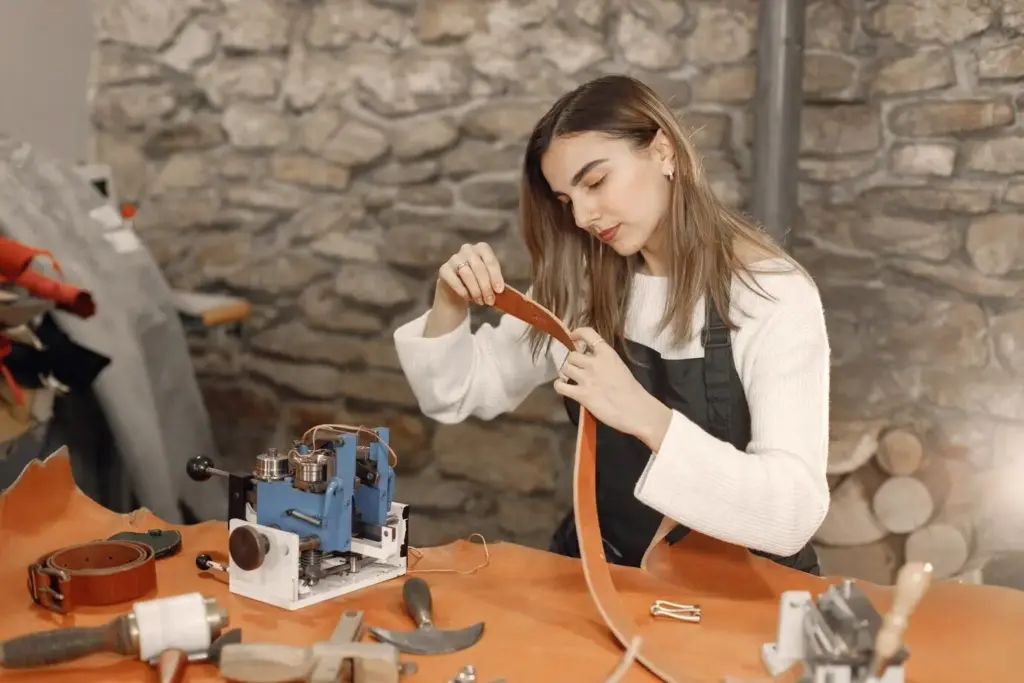
A gifted stonemason reads chisel patterns like handwriting, a joiner understands shrinkage, and a metalworker respects historic alloys. Expect mockups, sample boards, and testing. Use Dutchman repairs, compatible patinas, and non-destructive cleaning. When specialists share technique rationales with clients, appreciation deepens and stewardship instincts follow, ensuring heirloom pieces remain cherished, resilient companions for generations.
Invisible Modern Systems
Comfort hides in the details you never see. Thread wiring behind antique paneling with fire-rated pathways. Slip radiant mats beneath reclaimed stone, accounting for expansion. Retrofit steel casements with insulated glazing and discreet weatherstripping. Integrate sensors for humidity and UV. Done well, high performance disappears, allowing heritage surfaces to breathe while meeting contemporary expectations gracefully.
Documentation at Installation
Capture as-built measurements, fastener locations, and concealed support strategies. Photograph layers before closure, tag components, and archive maintenance instructions alongside provenance. Consider a discreet plaque or digital registry entry to preserve continuity. This diligence safeguards future interventions, simplifies conservation, and proves invaluable if the property transfers, protecting both narrative richness and technical integrity in perpetuity.
Stories from Distinguished Residences
Value, Impact, and Client Delight
Sustainability You Can Measure
Curatorial Value and Insurance